

What Is an Allergy?
An allergy is a condition in which the body's immune system mistakenly identifies a harmless substance as a threat and launches an exaggerated immune response. This reaction can manifest in various symptoms, from mild discomfort to severe, life-threatening reactions. Common allergens include pollen, dust mites, pet dander, certain foods, medications and so on Thus in simpler terms allergy is like your body's over-the-top reaction to something that's normally harmless. It's like your immune system mistaking a harmless substance for a dangerous invader and fighting it off with exaggerated force.
Allergy Prevalence in India
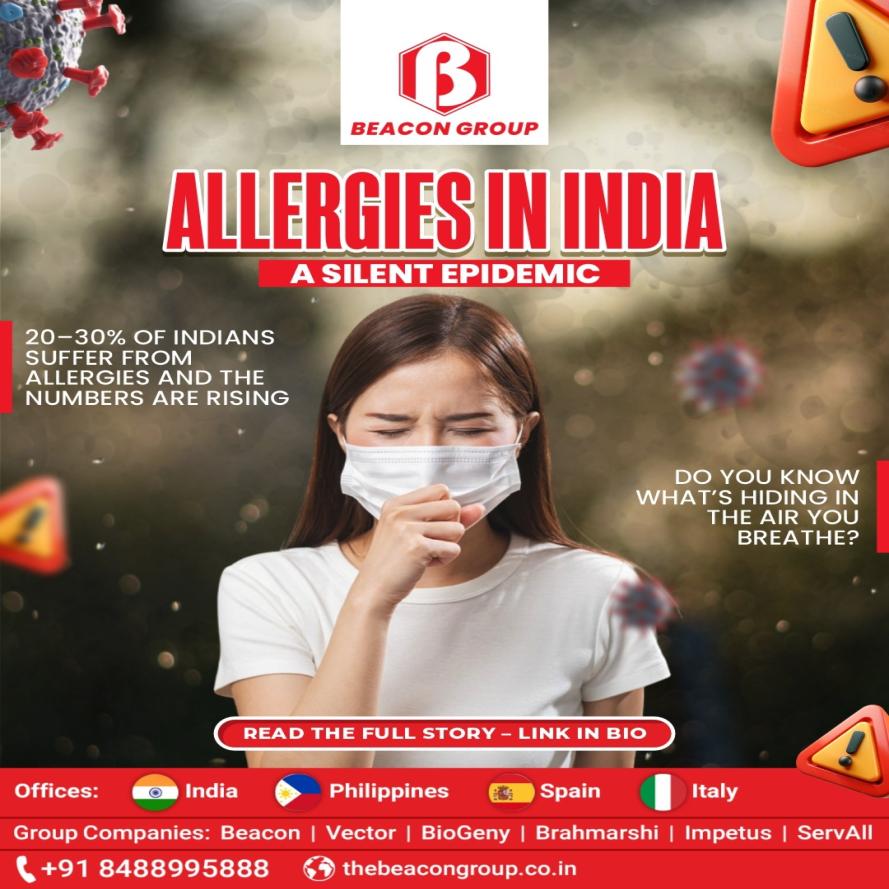
In India, allergy prevalence is significant, with studies reporting that 20-30% of the population experiences allergic rhinitis or other allergic diseases. This includes conditions like allergic rhinitis, asthma, and eczema, with allergic rhinitis being particularly prevalent.
Rise of Allergic Diseases Over Two Decades
Epidemiological studies have shown a rise in the prevalence of allergic diseases in India during the last two decades. However, recent evidence from the Global Asthma Network study has observed a decrease in allergic rhinitis, asthma and atopic dermatitis in children. Still, with a population over 1.3 billion, there is a huge burden of allergic rhinitis, asthma and atopic dermatitis, and this is compounded by an unmet demand for trained allergy specialists and poor health service framework.
Factors Influencing Allergy Risk in India
There is wide variation in the prevalence of allergic diseases between different geographical locations in India, and the reasons are unclear at present. This may at least in part be attributable to considerable heterogeneity in aero-biology, weather, air pollution levels, cultural and religious factors, diet, socioeconomic strata and literacy. At present, factors enhancing risks and those protecting from development of atopy and allergic diseases have not been well delineated, although there is some evidence for the influence of genetic factors alongside cultural and environmental variables such as diet, exposure to tobacco smoke and air pollution and residence in urban areas.
Complicating Factors: Infections and Healthcare Gaps
Wide spread infections like TB, HIV, malaria, and parasitic infestations which can influence the immune system and potentially impact allergic diseases making the challenge furthermore complicated.

Beacon Group
424, New GIDC, Kabilpore, Navsari, Gujarat 396424 India

Beacon Diagnostics Europe Srl.
Via Aliprandi 41, 20851, Lissone(MB), Italy

Beacon Diagnostics - Spain
C/Sicilia 159, 08013, Barcelona, Spain

Beacon Diagnostics-Philippines
Unit 108 Two Premier 1st St. Alabang Premier, Alabang Zapote Rd, Concha Cruz Drive, Almanza Uno, Las Pinas City